AI diagnoses
Real examples of diagnosis articles generated with Broticola (multi-language).
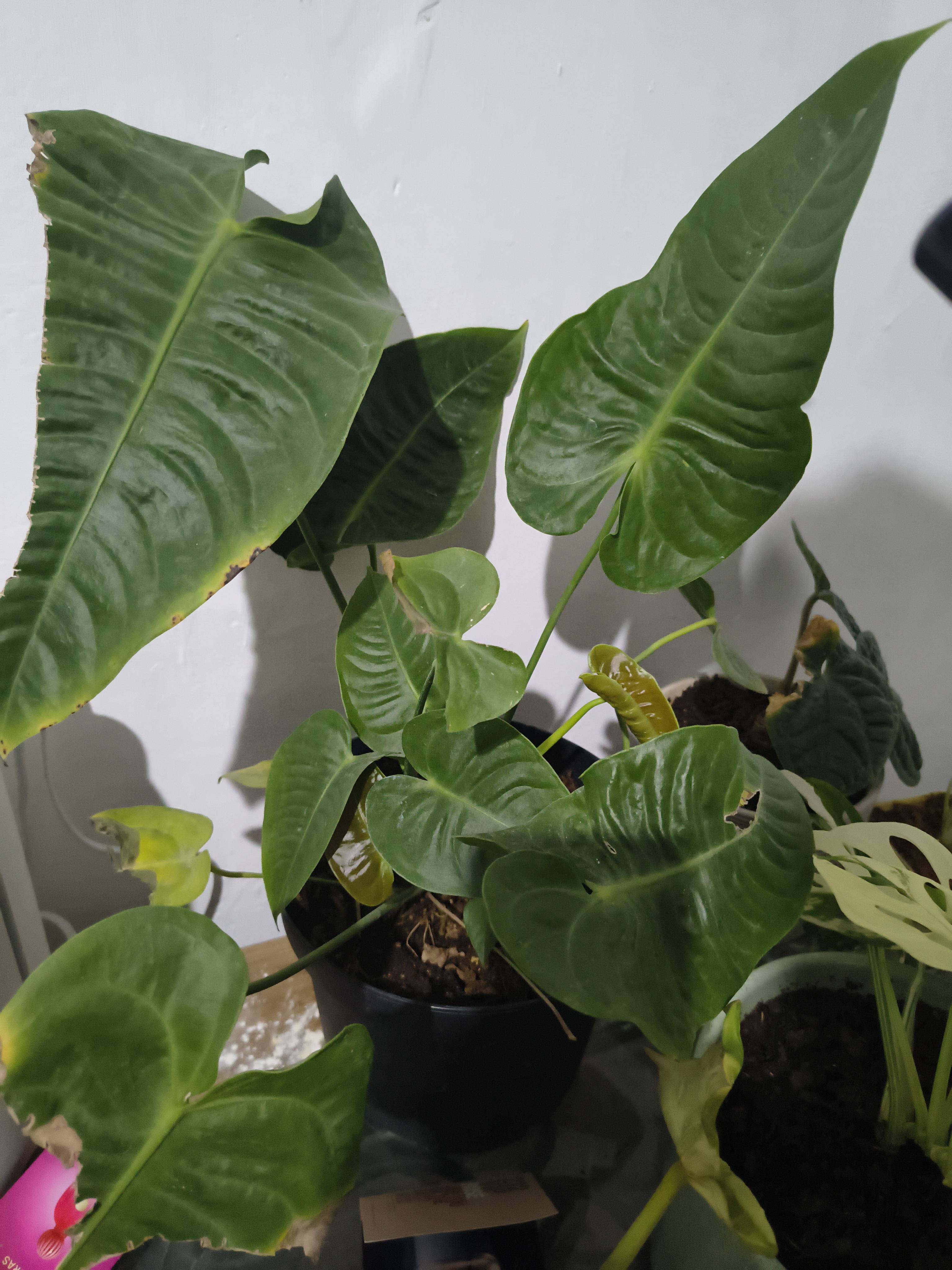
Anthurium veitchii: how to correct burnt edges and dry leaves
🌿 Anthurium veitchii Mast.
Your Anthurium veitchii shows mild leaf stress: burnt edges, dry areas and slight yellowing on some margins. There are no spots, visible pests or rot. These symptoms are usually due to intense light, low humidity, irregular watering, salt buildup or dry drafts.
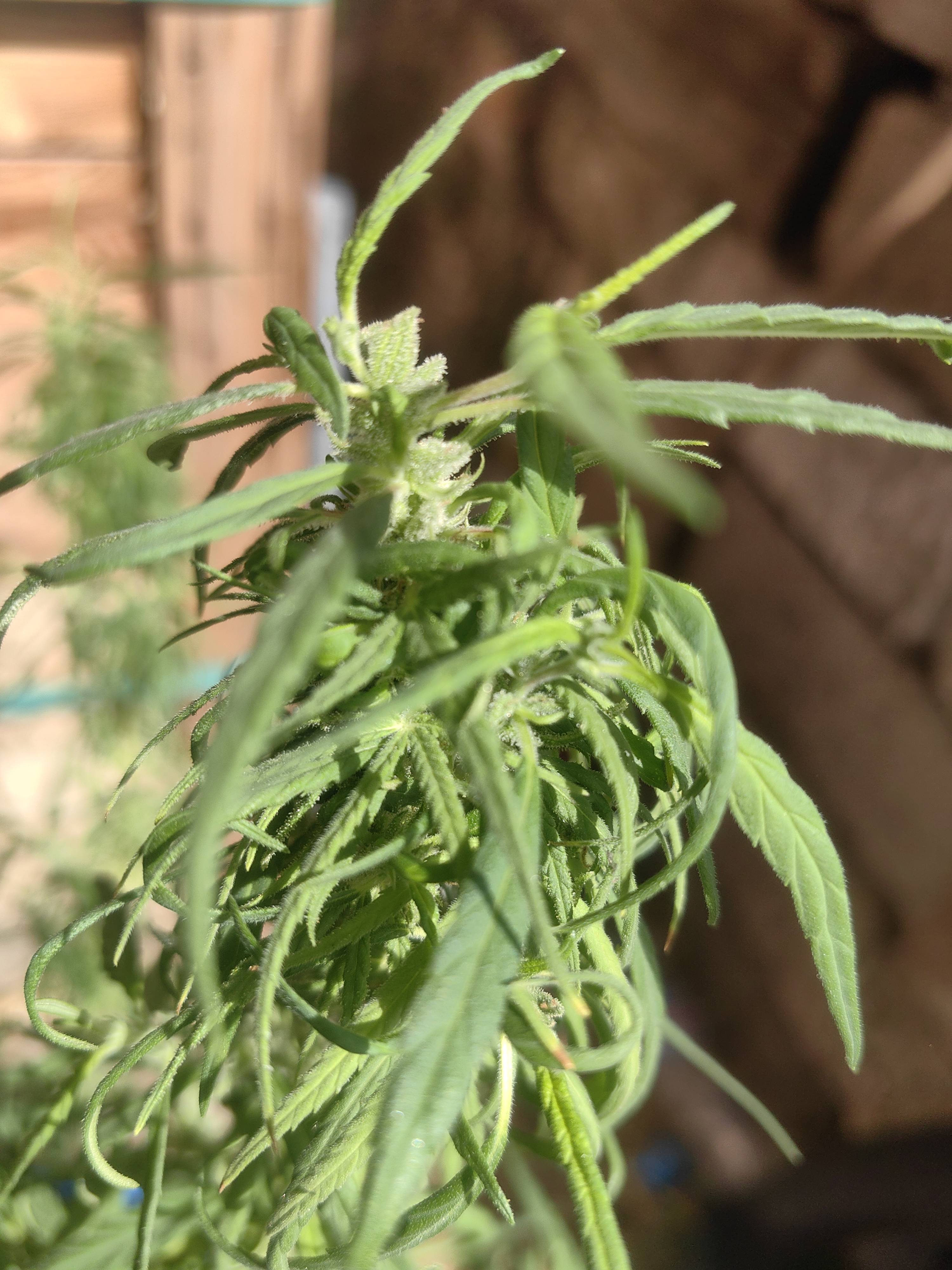
Marijuana (Cannabis sativa) with Rolled Leaves: Diagnosis and Practical Solutions
🌿 Marihuana (Cannabis sativa L.)
Plant in Tlaxcala (January) shows leaves rolled inward with no spots or necrosis, a sign of mild stress likely due to insufficient watering, dry environment, or drafts. Probable causes are described, corrective measures for watering, humidity, substrate, and a 7–14 day observation plan.
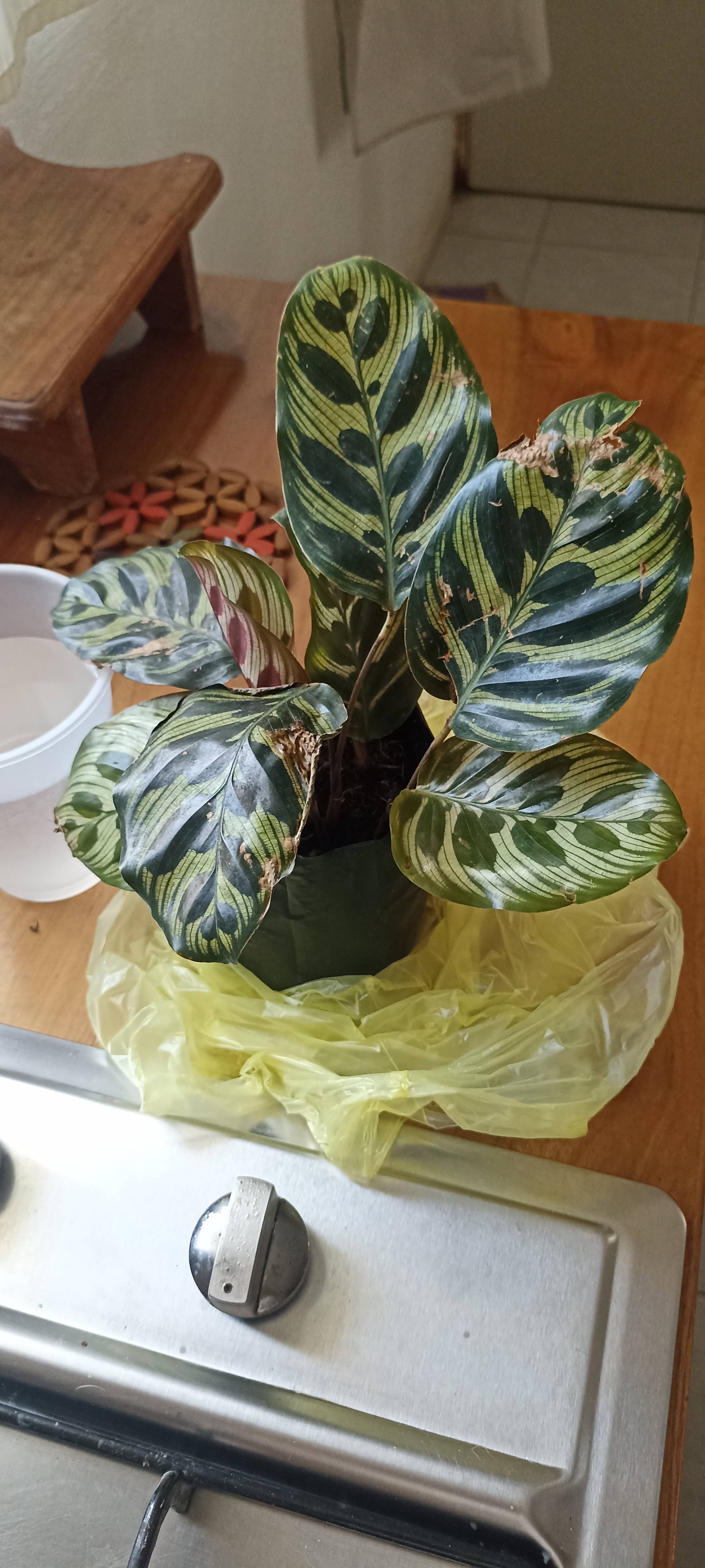
How to care for a Peacock Tail (Goeppertia makoyana) with brown leaf edges
🌿 Cola de pavo real (Goeppertia makoyana (É.Morren))
The Peacock Tail shows brown edges and dry areas on several leaves, typical signs of stress from low humidity, direct light, or irregular watering. Here are likely causes and a step-by-step guide to restore its health in Yucatán's winter climate.
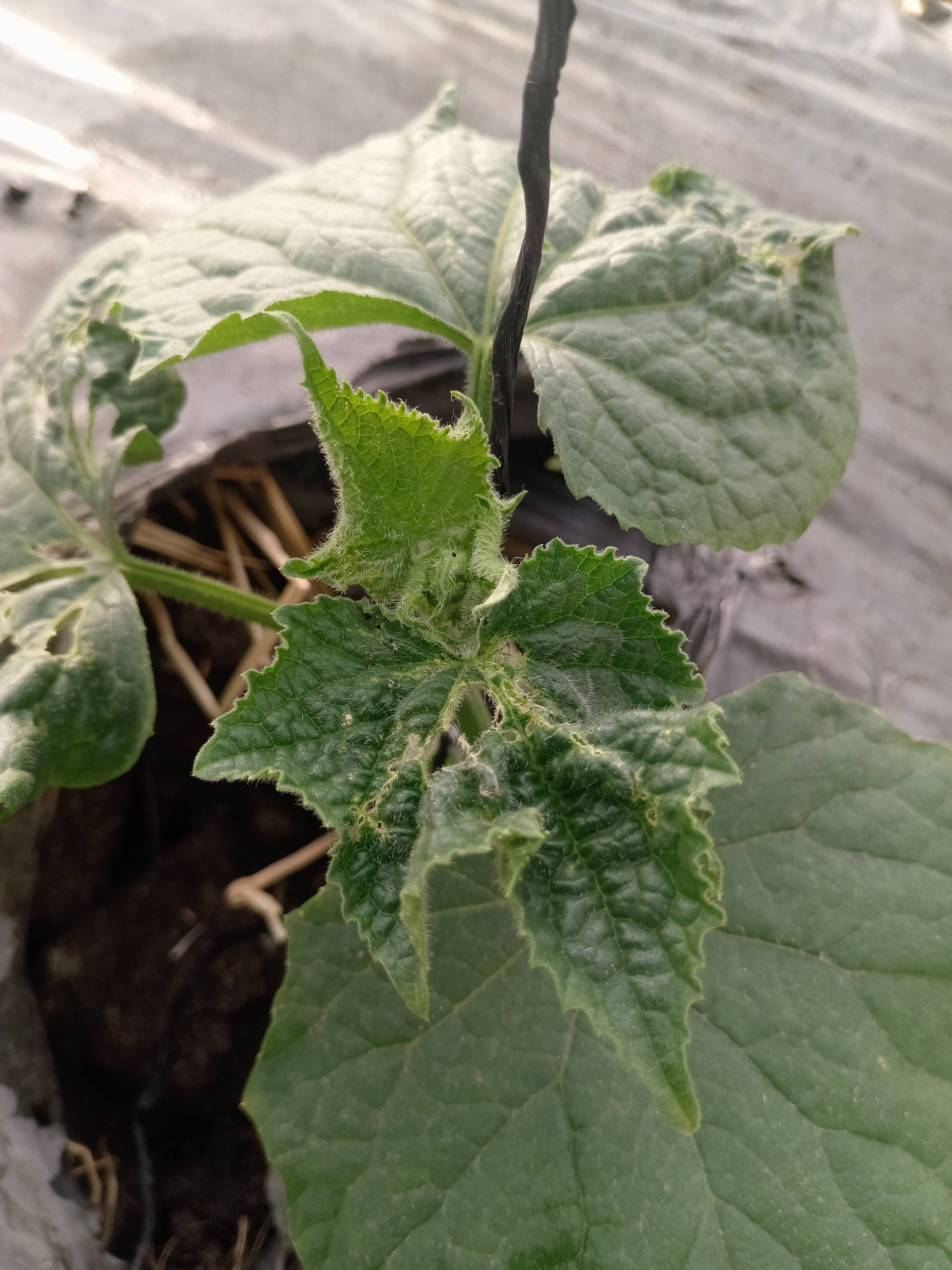
How to care for a cucumber with mild leaf spots
🌿 Pepino (Cucumis sativus L.)
Diagnosis: the cucumber (Cucumis sativus L.) shows small dark spots and edge damage on leaves indicating mild localized stress, likely caused by water splashes carrying pathogens, physical damage, or irregular moisture. With adjustments to watering, ventilation, and leaf management the issue can be controlled.
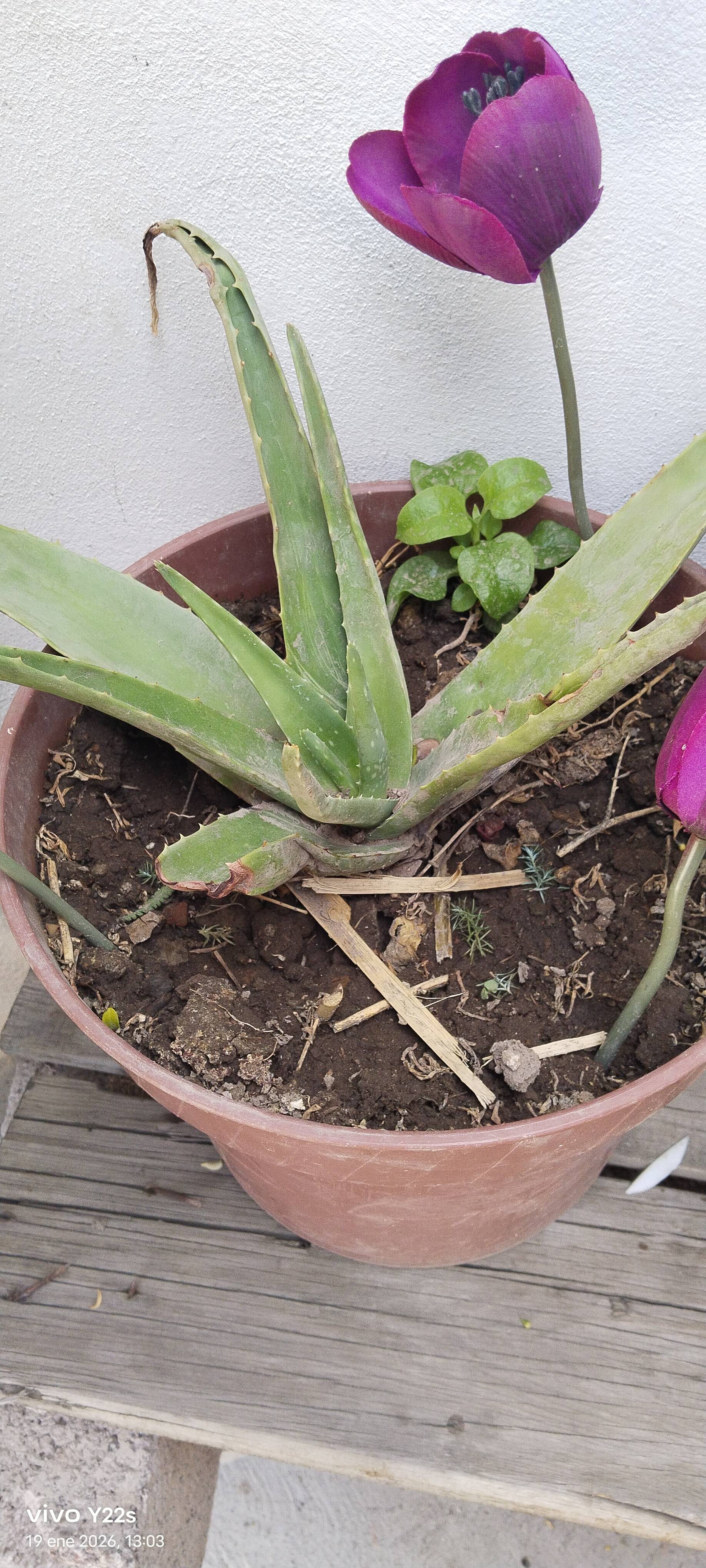
Aloe vera with brown tips: diagnosis and care to recover the plant
🌿 Aloe (Aloe vera (L.))
An Aloe (Aloe vera) shows mild stress from dehydration and localized leaf scorch: brown, dried tips and areas without clear signs of rot. This article explains likely causes and a practical care plan to restore leaf turgor and shine.